Ambient Intelligence Lab

Research

Ongoing Research Projects

The lab studies how mobile, wearable, robotic, and IoT platforms can be turned into practical computational sensing systems that are more perceptive, more adaptive, and more useful in everyday environments.

New Multi-modal Computational Sensing Technologies for Diverse Applications

Computational Sensing of Invisible Environmental Dynamics with Off-the-Shelf Sensors

We develop sensing systems that reveal environmental phenomena that are difficult for people and sensors to directly perceive in everyday settings.

  • Repurposing commodity sensors to capture subtle airflow, temperature-field, and soil-state changes.
  • Turning low-cost platforms into deployable tools for environmental understanding in real-world scenarios.
Health Sensing using Wearable Consumer Electronics

We build practical health sensing systems on consumer wearables and mobile devices for robust monitoring in everyday environments.

  • Repurposing earbuds, phones, and lightweight wearable platforms for continuous physiological and behavioral sensing.
  • Designing sensing pipelines that remain robust under motion, sparse sensing, and real-world deployment constraints.

Fine-grained Human Activity Sensing and Reasoning in Ambient Environments

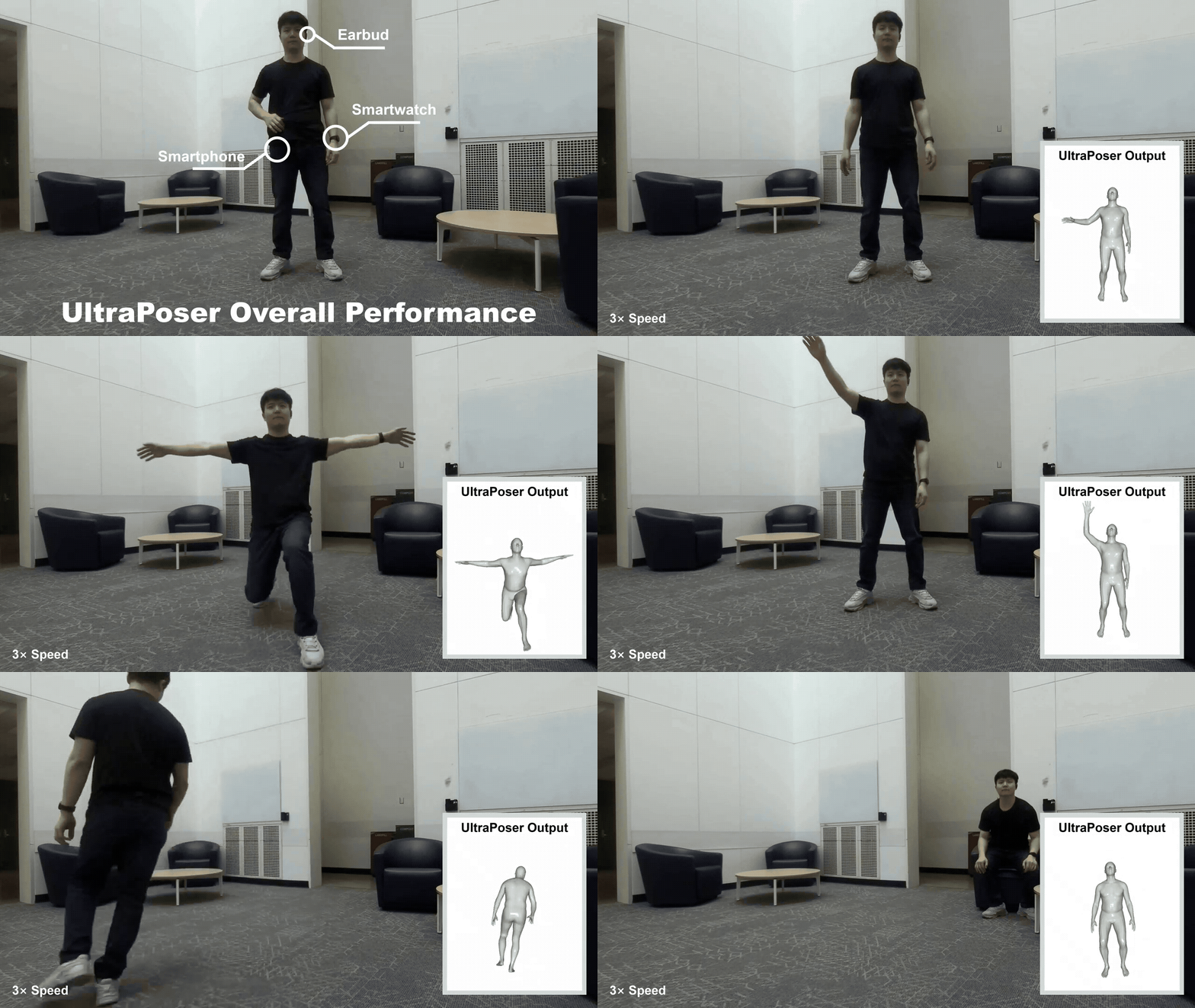
We study how ambient and wearable sensing systems can capture fine-grained human activities and support higher-level reasoning about daily behaviors in real-world environments.

  • Combining multi-modal sensing for detailed activity understanding across body movement, context, and daily-life interactions.
  • Building sensing pipelines that support both precise recognition and richer behavioral reasoning.

Tactile Sensing and Actuation for Robotics

This direction explores how low-cost sensing and actuation pipelines can give robots richer tactile perception and more practical interaction capabilities.

In Submission

AI-Native Sensing Systems Challenges for Mobile, Wearable, Robotic, and IoT Platforms

AI-Assisted Mobile System Optimization

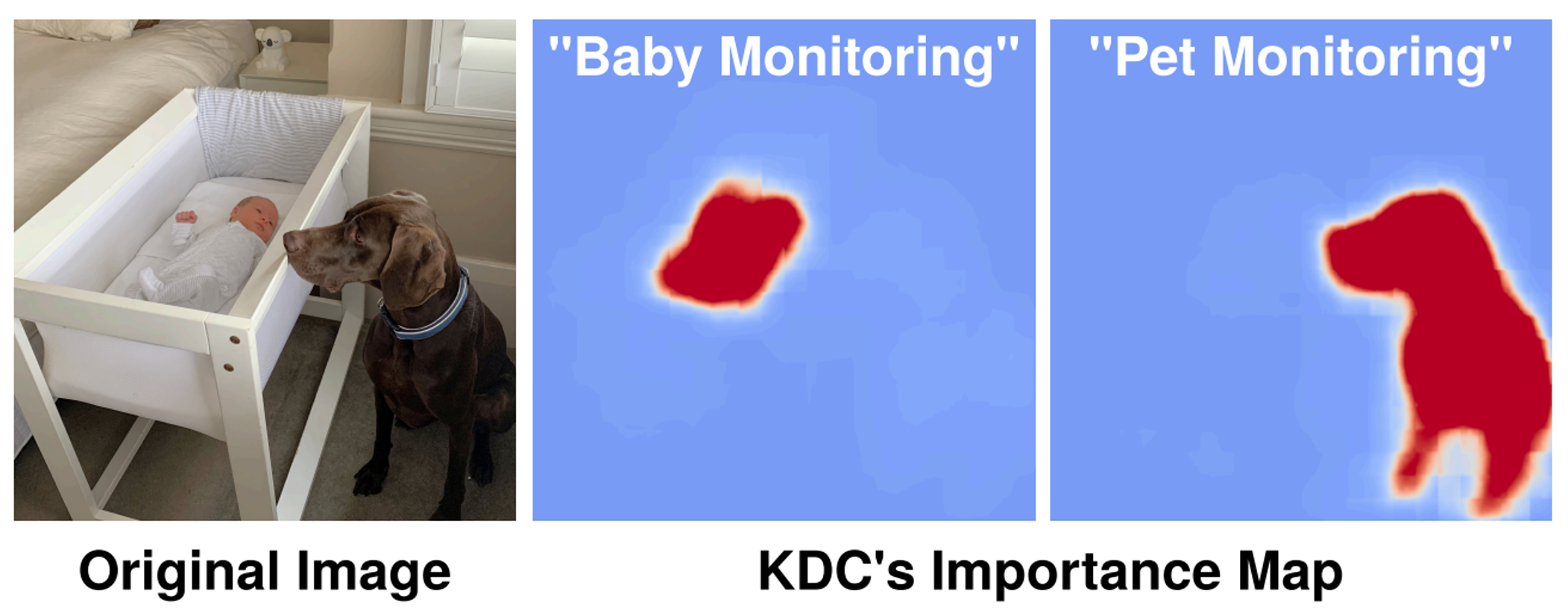
We study how AI can help mobile and sensing systems make better decisions about communication, adaptation, and resource management under real-world constraints.

  • Using foundation and generative models to improve system efficiency, communication, and deployment practicality.
  • Designing adaptive mobile systems under limited bandwidth, compute, and storage budgets.
KDC preview

AI-Native Secure and Privacy-Preserving Sensing

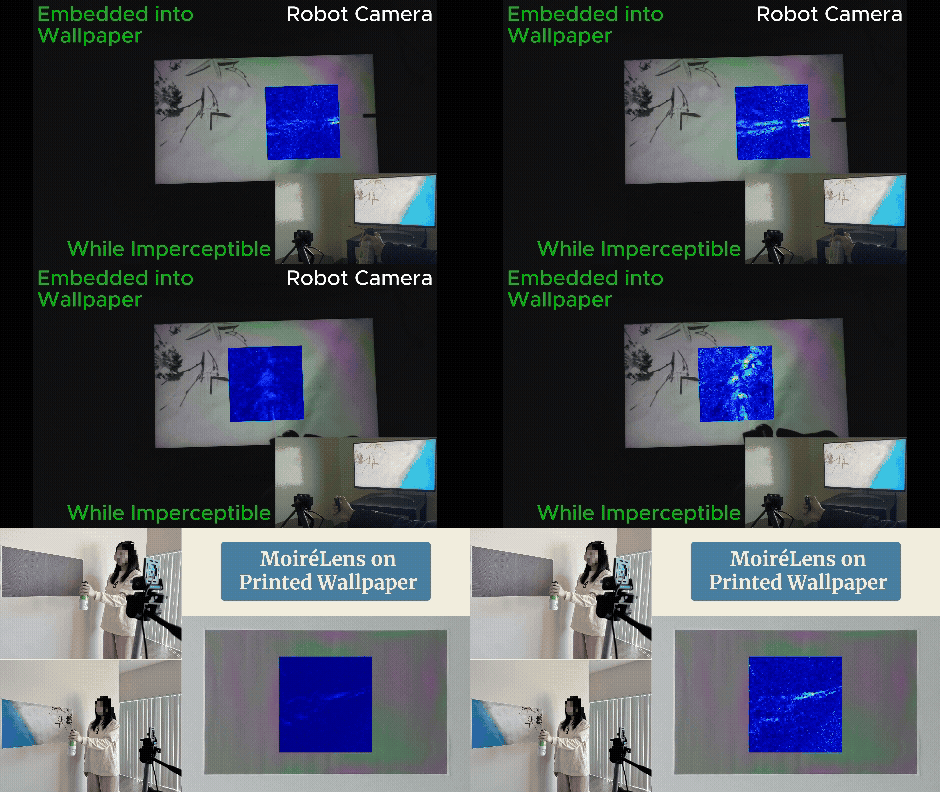
We develop both attacks and defenses to better understand the trust, privacy, and security boundaries of sensing systems.

  • Studying how sensing modalities can leak private information or be manipulated by adversaries.
  • Designing practical defenses for mobile, acoustic, RF, and AI-driven sensing platforms.

AI-Assisted Mobile Sensing System

This area studies how AI models and sensing pipelines can co-adapt to make mobile sensing systems more robust, data-efficient, and deployable.

Ongoing